Cuba doesn't ease you in gently. From the moment you step off the plane and into the sweltering Caribbean air, the island hits you all at once , a torrent of color, music, contradiction, and warmth so genuine it can make your chest ache. There is nowhere on earth quite like it.
The first thing most visitors notice is the cars. The glorious, impossible cars , their chrome gleaming in the afternoon sun, their engines rumbling like something from another era entirely. But Cuba is not a museum. It is alive and vibrant and deeply complex, a place where colonial grandeur crumbles alongside new murals, where a doctor earns less than a taxi driver, where the most exquisite food you'll ever eat is served out of someone's living room. To travel here is to experience the world as it once wasí and perhaps as it was always meant to be , slower, more human, less mediated by a screen.
No visit to Cuba is complete without the food , discover Cuba's incredible culinary traditions before you arrive so you know exactly what to order. But Cuba also requires preparation. More than almost any destination on the planet, it rewards those who arrive informed and penalizes those who don't. Banking doesn't work the way you expect. The internet is rationed. The currency situation isí let's call it nuanced. That's why this guide exists , to give you everything you need to know before your feet hit that cracked Havana pavement, so that when they do, you can spend every single second drinking it in.
if you're drawn by the architecture, the music, the food, the history, or simply the irresistible allure of a place that has stayed stubbornly, magnificently itself while the rest of the world raced ahead , Cuba is waiting for you. Let's get you ready.
Chapter One
Before You Go
The paperwork and logistics are the least romantic part of any trip, but in Cuba's case, they are genuinely important. Getting them right means the difference between breezing through customs and being turned away at the gate. Here's what you need.
Visa & Tourist Card
Americans require an OFAC license category — most travel under "Support for the Cuban People." All visitors need a tarjeta del turista (tourist card), costing $25–50, often available at your airline's check-in desk. Full visa details →
Travel Insurance
Not optional , Cuba legally mandates travel insurance for all visitors. You must show proof upon arrival. Many airlines and insurers offer Cuba-compliant policies. Don't skip this one.
Bring Cash
US bank cards do not work in Cuban ATMs. Period. Bring USD, Euros, or Canadian dollars in cash. Exchange at CADECAs (official exchange houses) for the best rates. Budget $50–80/day for comfortable travel. See full cost breakdown →
What to Pack
Light breathable clothing , it's genuinely hot. Reef-safe sunscreen, any medications you need (hard to find in Cuba), a power adapter (Cuba uses both 110V and 220V), and Maps.me downloaded offline.
Cuba operates on a cash economy. Leave your credit cards at home and embrace the ritual of counting pesos , it connects you to the reality of life here in a way no app ever could.
💰 Daily Budget Guide
Chapter Two
Getting Around
Cuba's transportation network is a glorious improvisation. There are schedules, roughly, and prices, approximately, and vehicles that function, mostly. Once you accept that and lean into the adventure of it, getting around becomes one of the great pleasures of the trip.
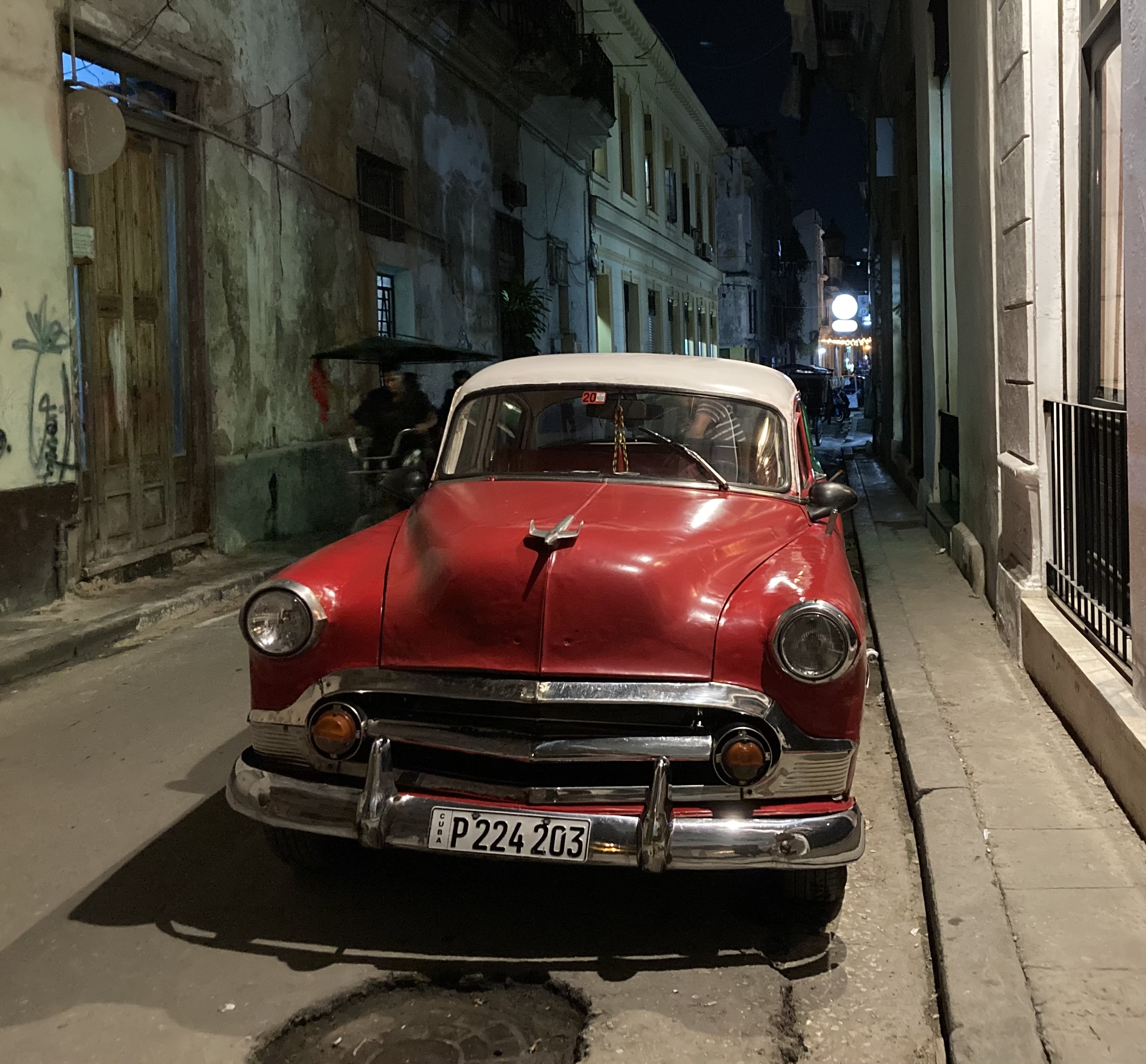 Photo: Wikimedia Commons
In Havana: The city's vintage taxis are iconic and affordable for short hops , agree on a price before you get in. The bright yellow coco-taxis (three-wheeled motorcycle taxis shaped like coconuts) are cheerful for touristic rides, though pricier. For a brilliant overview of the city, the Havana Bus Tour is an air-conditioned hop-on/hop-off route hitting all the major sights. But for Old Havana? Walk. Always walk. Those cobblestones exist to be wandered.
Between cities: Viazul buses are the gold standard for tourist travel , comfortable coaches with air conditioning connecting Havana to Trinidad, Viñales, and beyond. Book ahead, especially in high season. Colectivos (shared taxis) are faster, and often cheaper than you'd expect , locals and travelers alike pack into battered Buicks for the long haul between cities.
Rental cars: Available, but they come with caveats. Prices are high, availability can be scarce, and gas stations thin out dramatically once you leave Havana. If you do hire a car, an international driving license is strongly recommended. That said, a road trip through the Valle de Viñales or along the coast to Trinidad is one of the finest experiences Cuba offers.
Chapter Three
Where to Stay
Nothing , and we mean nothing , will define your Cuban experience more fundamentally than your choice of accommodation. And the answer, for nearly every first-timer, is the same: a casa particular.
These are private homes whose owners rent out rooms to travelers , Cuba's version of the B&B. And they are magnificent. You'll sleep in a high-ceilinged room with French doors opening onto a tiled courtyard. Breakfast will be a feast of fresh papaya, guava juice, eggs, bread, and strong Cuban coffee. And your host , inevitably warm, opinionated, full of recommendations , will become one of your most treasured memories of the trip. Rates run $30, 60/night, making them both a cultural experience and a budget win.
Hotels, by comparison, are more expensive, less personal, and often mired in the inefficiencies of Cuba's state-run economy. They exist, and some are beautiful (the Hotel Nacional in Vedado, for instance, is a genuine architectural landmark worth a visit for drinks if nothing else), but they're rarely the right choice for a first visit.
Booking: Airbnb has a significant presence in Cuba and is a reliable way to book casas in advance. Alternatively, many experienced Cuba travelers simply arrive and walk the neighborhood asking for signs saying "Arrendador" , you'll rarely go without a bed.
Chapter Four
Eating & Drinking
Cuban food has a reputation , not always a flattering one , for being plain, starchy, and repetitive. That reputation is partially earned when you're eating at state-run restaurants. But step into the world of paladares, and the story changes entirely.
Paladares are privately-owned restaurants operating out of homes, rooftops, converted courtyards, and colonial mansions. The food is fresher, the service is warmer, and the prices are better than their state-run equivalents. The simple rule: if the menu is written in Spanish only, that's a local joint. If it's in four languages and laminated, you're probably paying tourist prices for inferior food. Find the best places to dine with our guide to Havana's top private restaurants.
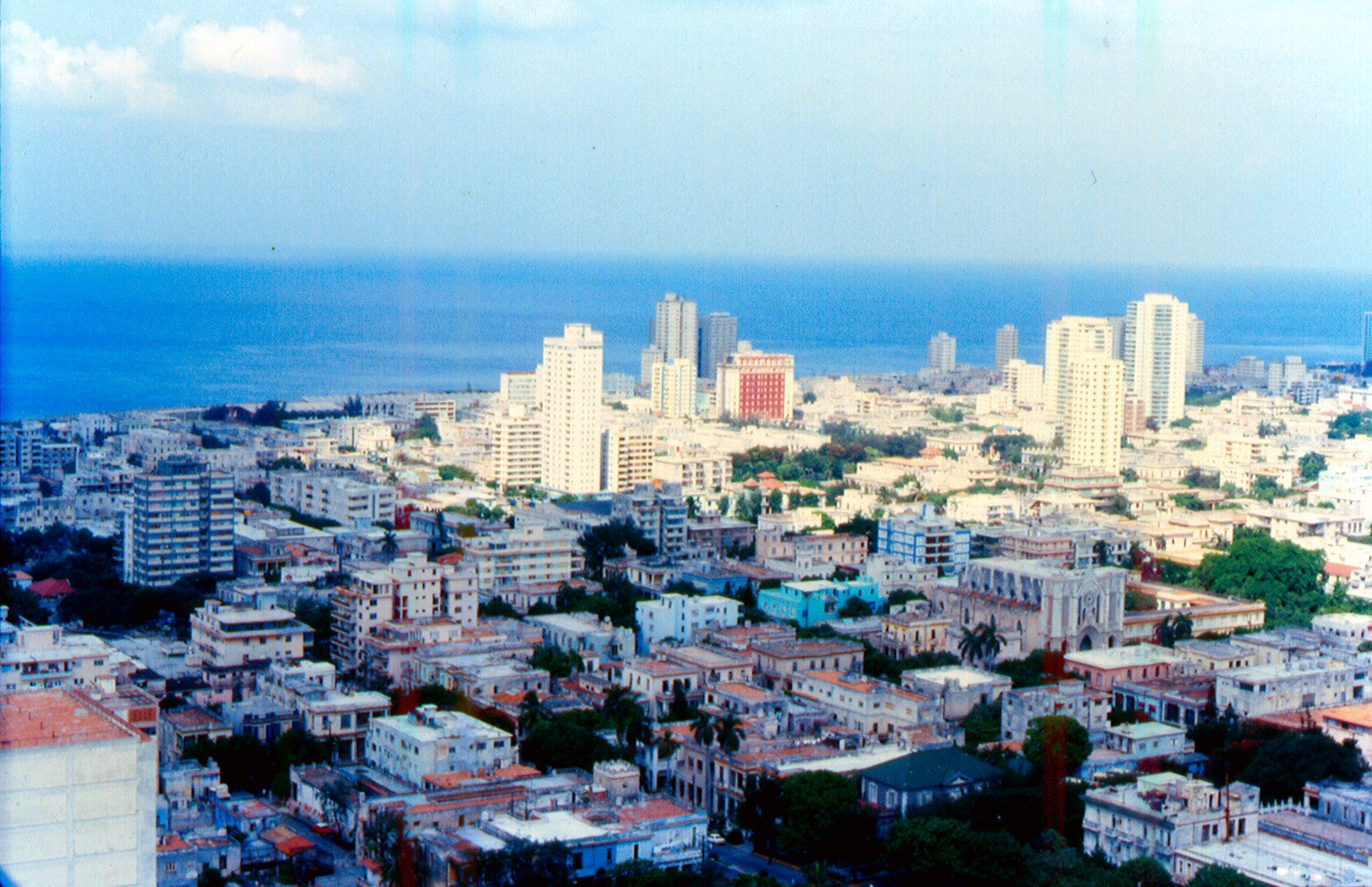 Photo: Wikimedia Commons
Must-try dishes and drinks:
Chapter Five
Top Insider Tips for First-Timers
These are the things that seasoned Cuba travelers know , the things that don't appear in the guidebooks, or do appear and get glossed over. Absorb them. They'll make the difference between a trip you remember and a trip you treasure.
-
Learn a little Spanish. Even twenty words will change everything. Cubans are exceptionally warm to visitors who make an effort , even a broken ", Cómo estés?" opens doors that tourist dollars alone never could.
-
Embrace the digital detox. Internet access exists in Cuba, at designated wifi hotspots, purchased via ETECSA cards , but it's slow, expensive, and rationed. This is actually a gift. Let yourself be unreachable for a week. You might never want to go back.
-
Bring small gifts for your casa hosts. Aspirin, pens, school supplies, vitamins , these everyday items are genuinely difficult to find in Cuba. A gift bag that costs you $20 at home will mean the world to a host family. It's one of the most meaningful things you can do.
-
Cuba is remarkably safe. Don't let outdated geopolitical anxieties color your expectations. Street crime against tourists is rare, violent crime even rarer. Use common sense, watch your pockets in crowds, and you'll almost certainly never feel threatened.
-
Exchange money at CADECAs, not hotels. Hotel exchange rates are terrible. CADECA exchange offices offer much better rates and are easy to find in any city. Exchange small amounts frequently rather than one large sum.
-
Walk, wander, get deliberately lost. The best experiences in Cuba are not on any map. They happen in the alley where someone is playing Buena Vista-era son, in the rooftop where you end up watching the sunset with a family you just met, in the market where you try something you cannot name but which tastes extraordinary.
-
The Malecón at sunset is non-negotiable. Havana's famous seafront promenade transforms at dusk. Families, lovers, musicians, fishermenú and wanderers gather as the sky turns the color of mangoes and the old city glows amber behind them. Go. Stand there. Let it happen to you.
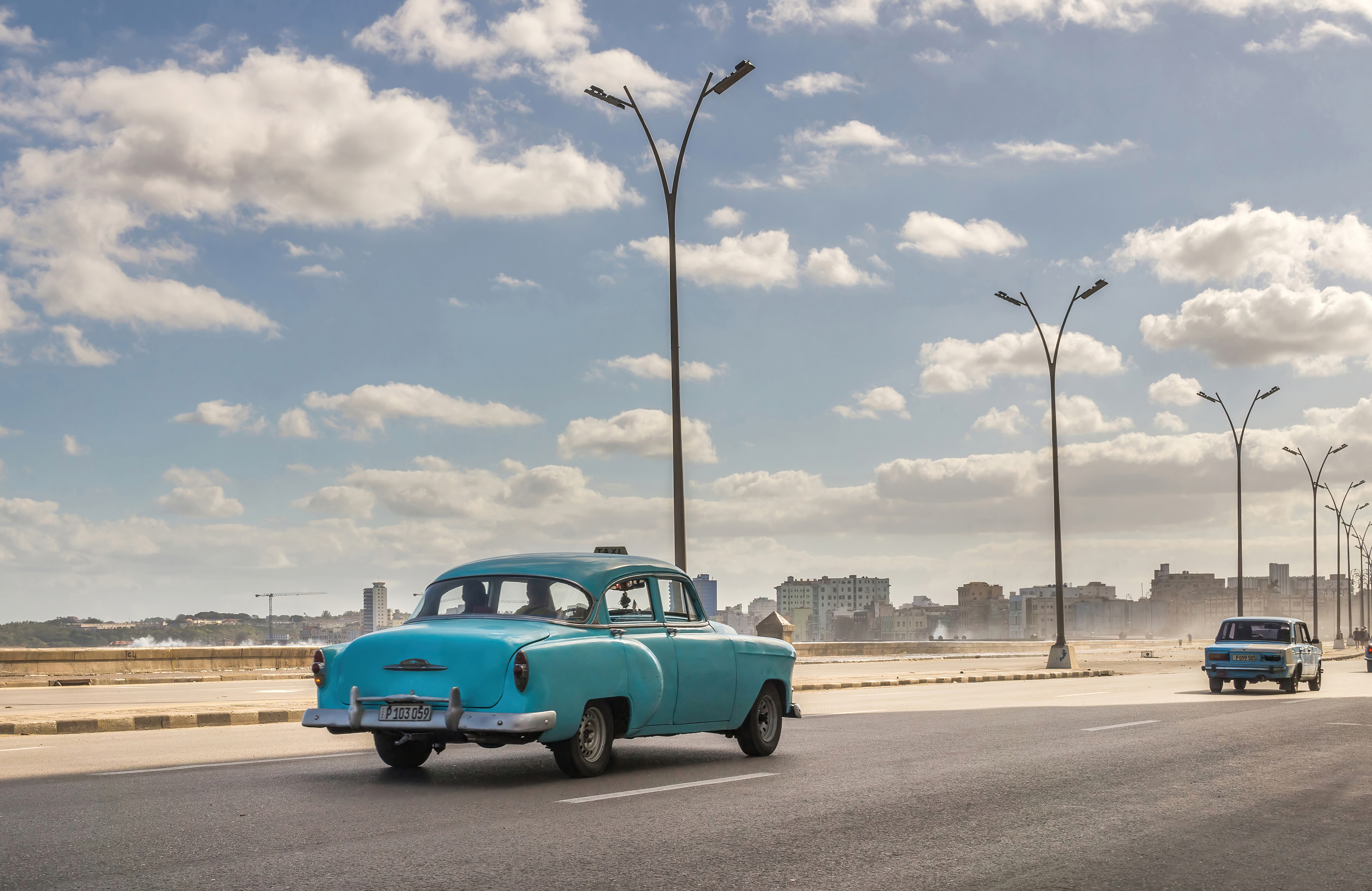 Photo: Wikimedia Commons
Cuba will frustrate you, charm you, exhaust you, and fill you with a love for the human spirit that outlasts the trip by years. Go prepared. Go open. And go soon , because Cuba, in its particular, extraordinary form, will not stay this way forever.