The World Beyond Havana's Walls
Havana is magnetic , but Cuba's magic extends far beyond its capital. Within two hours of the city, you'll find valley farmlands draped in morning mist, Hemingway haunts frozen in time, eco-lodges nestled in cloud forests, and the Caribbean's finest beaches stretching to the horizon. Pack sunscreen, grab cash, and go. Every town outside Havana has its own food character , explore Cuba's regional street food traditions to know what to try in each place.
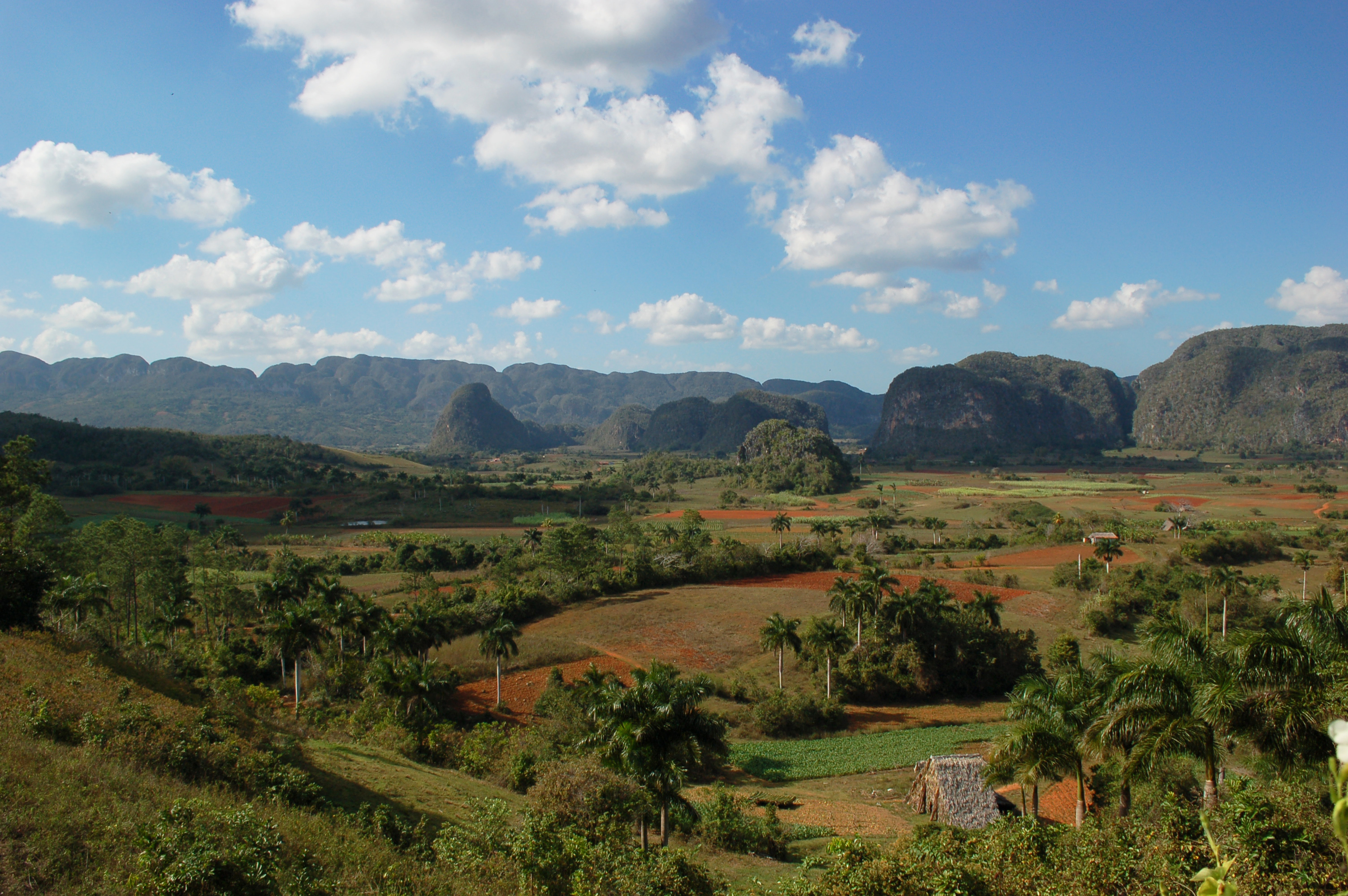 Photo: Wikimedia Commons
This is the most dramatic scene in Cuba, and one of the most arresting in the entire Caribbean. Giant mogotes, ancient limestone formations draped in moss and vine, rise like sleeping titans from a quilt of tobacco fields, royal palms, and red earth. The valley has been farmed the same way for centuries, and standing on any ridge, you sense time itself has stretched luxuriously thin.
Spend a morning hiking through the valley with a local guide who can name every bird that crosses your path. Visit a working tobacco farm , most farmers are happy to show you the drying houses and hand-roll a cigar on the spot. In the afternoon, cool off at Palenque de los Cimarrones, a natural pool tucked inside a cave once used by runaway enslaved people. The water is cold and clear as glass.
Best way to go: a day tour from Havana costs around $35 and handles all the logistics, or rent a car and drive yourself (the road is magnificent). But if you can, stay overnight. The morning mist that settles between the mogotes at dawn is one of those images that brands itself permanently onto the mind.
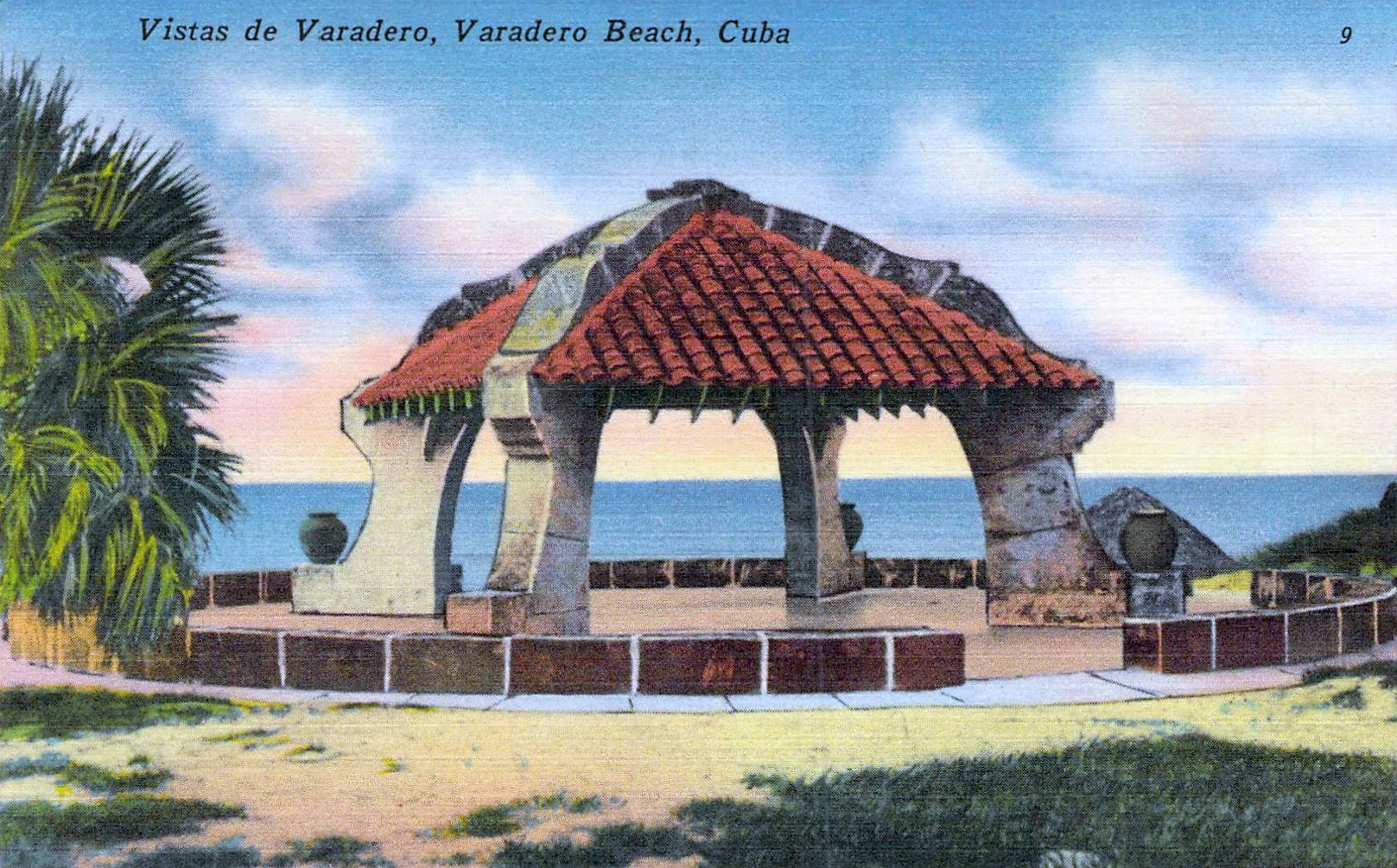 Photo: Wikimedia Commons
Twenty kilometers of unbroken white sand, a sea the color of aquamarine gemstone, and enough resort infrastructure to keep you entirely comfortable , Varadero is Cuba's undisputed beach capital. By most measures, it's the best beach in Cuba, and it competes seriously with the finest in the Caribbean. The sand is powdery fine, the water is warm year-round, and the sunsets over the Straits of Florida are spectacular.
A day trip is absolutely viable , Viazul buses run from Havana's bus terminal for around $10 each way, and organized day trips departing from the major hotels will handle the logistics for a bit more. But Varadero rewards an overnight stay, when you can watch the transformation from buzzing beach day to a more relaxed, luminous evening, fresh seafood at any number of paladares along the strip.
Pro tip: the beach near the far end of the peninsula, beyond the main resort cluster, is dramatically less crowded. Walk or take a bici-taxi twenty minutes past the tourist strip and you'll find stretches that feel practically private.
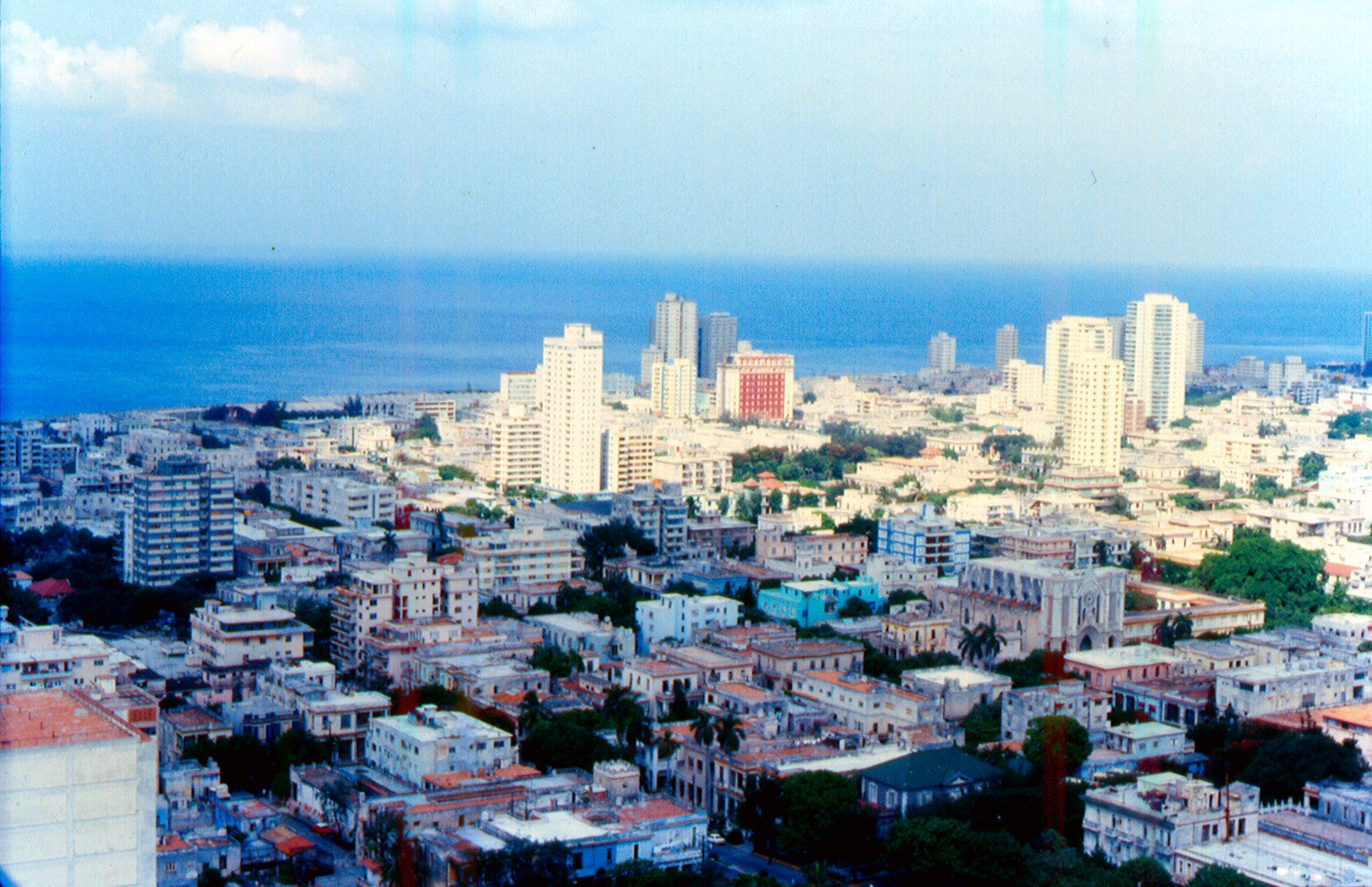 Photo: Wikimedia Commons
Las Terrazas is Cuba at its most quietly extraordinary , an intentional eco-village carved into the Sierra del Rosario mountains, where reforestation, art, and sustainable living have coexisted since 1968. The forest here is dense and alive: hummingbirds dart between heliconia flowers, tocororos (Cuba's national bird) call from the canopy, and rivers tumble clear and cold through rock-lined channels.
The ruins of old French coffee plantations add a haunting beauty to the scene , stone walls draped in ferns, archways reclaimed by jungle, the ghost of a colonial economy slowly being absorbed by something green and growing. Swim in the Río San Juan, rent a kayak, or simply walk the trails with a naturalist guide. The Moka Ecolodge, perched in the forest canopy with trees growing through the lobby, is gorgeous for lunch , order the grilled chicken and eat on the terrace overlooking the valley.
This is a perfect half-day escape and pairs beautifully with a Viñales overnight , Las Terrazas sits right on the road west.
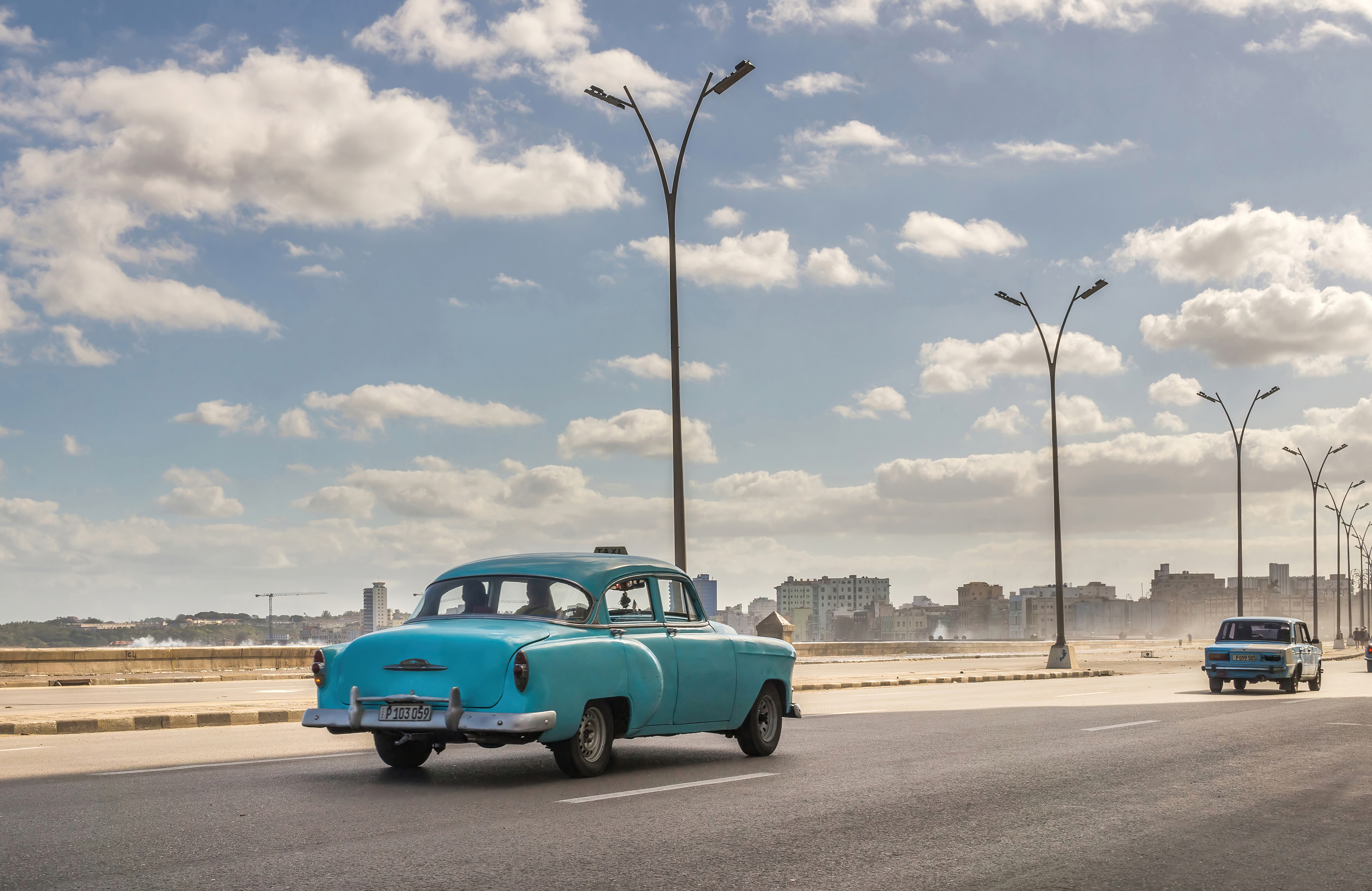 Photo: Wikimedia Commons
Twenty minutes east of Havana, the road drops down into a tiny fishing village that the rest of the world would never have heard of had Ernest Hemingway not made it his home port. Cojímar is where the writer kept his boat, the Pilar, and where he gathered the raw material for The Old Man and the Sea , the fisherman Santiago is drawn partly from a real Cojímar fisherman named Gregorio Fuentes, who lived to 104 and was still talking about Hemingway well into his final years.
Visit La Terraza de Cojímar, the waterfront restaurant and bar where Hemingway drank rum with the local fishermen and talked about the sea. The room is hung with photographs and newspaper clippings; his usual table has a small brass plaque. Then walk to the small fort at the harbor's edge, where you'll find the monument to Hemingway that the fishermen of Cojímar built after his death , they melted down their own boat propellers and engine parts to cast the bust. It's a gesture so generous and quiet that it stops you cold.
Photo: Wikimedia Commons
Twenty minutes south of central Havana, On a hill above the town of San Francisco de Paula, sits the cream-colored Spanish colonial house where Ernest Hemingway lived for twenty-one years , longer than he lived anywhere else. Finca Vigía (Lookout Farm) is where he wrote For Whom the Bell Tolls and The Old Man and the Sea, where he kept his gun collection, his trophy heads, and 9,000 books. He left for the last time in 1960, the year before he died, and took almost nothing with him.
The house has been preserved exactly as he left it: the Royal typewriter on the desk, the mojito recipe on the bar, the reading stand by the bedroom door (Hemingway preferred to read standing up). Visitors cannot enter , you view through the open windows and doors, which sounds like a limitation but turns out to be the most intimate way to encounter a life. You're pressed up against the glass of someone else's existence, peering in.
In the garden, under a corrugated roof, is the Pilar herself , the 38-foot black fishing boat that carried Hemingway across the Gulf Stream and into the mythological waters of his imagination. She looks smaller in person. They always do. Don't miss the best paladares beyond Havana , the cooking outside the capital is often more rustic and even more delicious.
Practical Tips for Day Trips
- Book tours through your casa particular host , they earn a small commission and will save you considerable hassle with logistics and negotiation.
- Most organized day tours depart at 8am and return by 6pm. Confirm pickup point when booking.
- Bring cash , US dollars, Euros, or Cuban pesos. Cards rarely work outside central Havana.
- Sunscreen, water, and a light layer for air-conditioned bus rides are essentials. The sun is fierce year-round.
- Renting a car unlocks maximum flexibility. International licenses are accepted; roads are quiet but occasionally potholed.
- For Viñales: a morning departure means you'll catch the valley in its best light. The afternoon mist often burns off by 10am.